
Child Welfare
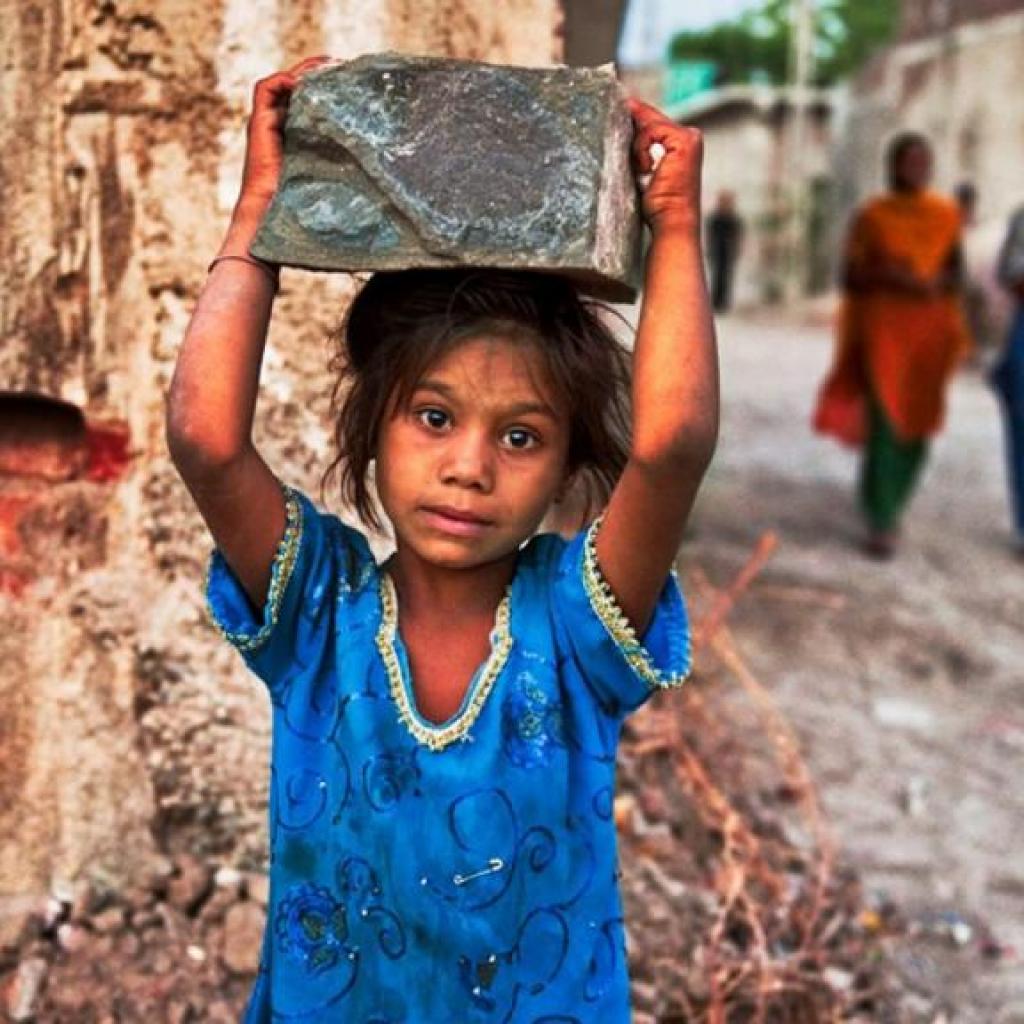
Child Labour
Child labour remains a serious social challenge in India and across the world. According to the 2011 national census of India, there were 10.1 million child labourers between the ages of 5 and 14. Within the same age group, the total child population was 259.64 million. The issue of child labour is not unique to India; globally, approximately 217 million children are engaged in work, many of them on a full-time basis, depriving them of their childhood, education, and a safe environment.
To combat this issue, India enacted the Child Labour (Prohibition and Regulation) Act, 1986, which was further strengthened by an amendment in 2016. Under this law:
A “Child” is defined as any person below the age of 14 years.
Employment of a child in any capacity—including as a domestic worker—is strictly prohibited and considered a cognizable criminal offence.
Adolescents, defined as individuals between 14 and 18 years of age, are allowed to work only in non-hazardous occupations.
Hazardous occupations and processes where adolescent labour is strictly prohibited include mining, work involving inflammable substances and explosives, and any other dangerous activities as outlined under the Factories Act, 1948.
The prohibition of child labour is not just a legal mandate, but a crucial step towards ensuring that every child has the opportunity to learn, grow, and live a life free from exploitation. Ending child labour is essential for building a future based on education, safety, and human dignity.
Reasons Behind Child Labour
Throughout human history, children under the age of 17 have often contributed to family welfare in various ways. However, in modern times, especially in developing nations, this contribution has often turned into exploitative child labour.
According to UNICEF, poverty remains the biggest driver of child labour worldwide. In many rural and impoverished areas, children have no real alternatives—schools are either unavailable, inaccessible, or inadequately equipped. As a result, child labour becomes a tragic necessity rather than a choice. Similarly, a BBC report concludes that poverty, combined with poor public education infrastructure, are major causes of child labour in countries like India.
When comparing boys and girls, UNICEF finds that girls are twice as likely to be out of school and working, often in domestic roles. Parents with extremely limited resources are forced to prioritize which child’s education they can afford. In such cases, educating girls often becomes a lower priority. Additionally, girls frequently face harassment, bullying, prejudice, and exclusion from poor curricula, leading many to drop out and eventually enter the workforce.
The International Labour Organization (ILO) and Spreading Smiles Through Education Organisation (OSSE) also emphasize that poverty is the strongest force pushing children into the workplace. In some households, income generated from child labour constitutes between 25% and 40% of the family’s total income. For families on the brink of survival, this contribution is seen as essential.
Thus, child labour is not merely a result of economic necessity, but also a reflection of deeper issues such as lack of education, gender inequality, and inadequate social support systems.
Our Key Focus Areas
We work on multiple fronts to support the holistic well-being of children. Our core areas include:
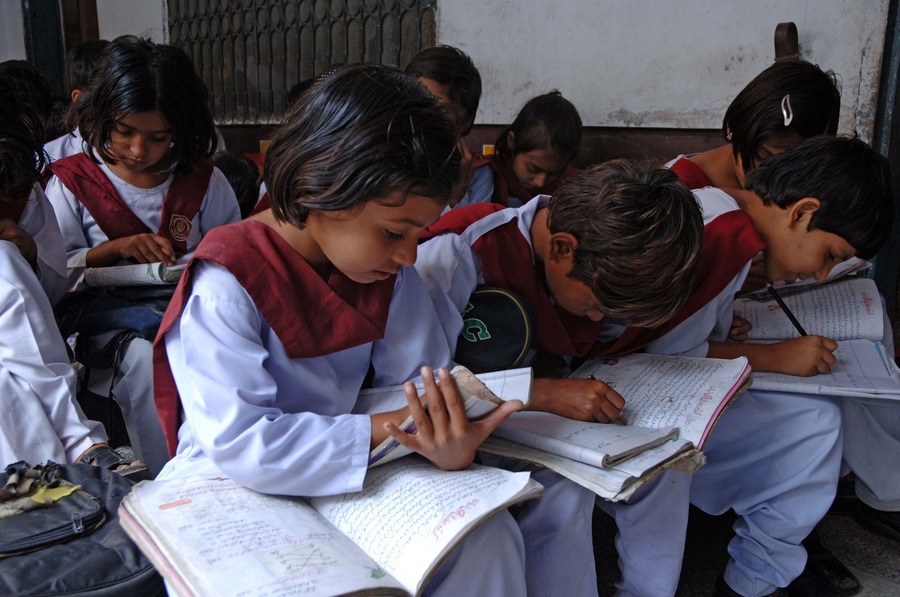
1. Education Support
We believe education is a powerful tool to break the cycle of poverty. Our initiatives include:
Enrolling children in local schools
Providing books, uniforms, and supplies
Conducting evening learning sessions in underserved areas
Offering scholarships for academically strong but financially struggling students
2. Health and Nutrition
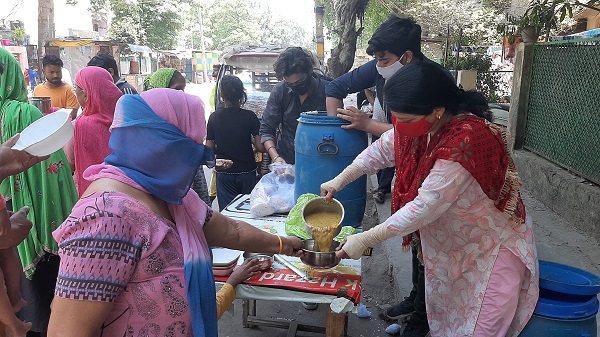
A healthy child is a happy child. We address this through:
Organizing regular health check-ups and immunization drives
Distributing nutritious meals, especially in slum and tribal areas
Spreading awareness on hygiene, menstrual health, and disease prevention
3. Child Protection
Many children suffer silently from violence, trafficking, or forced labor. We:
Work with communities to identify and report abuse
Counsel children and families on their rights
Partner with authorities to intervene when needed
Run campaigns on stopping child marriage and labor
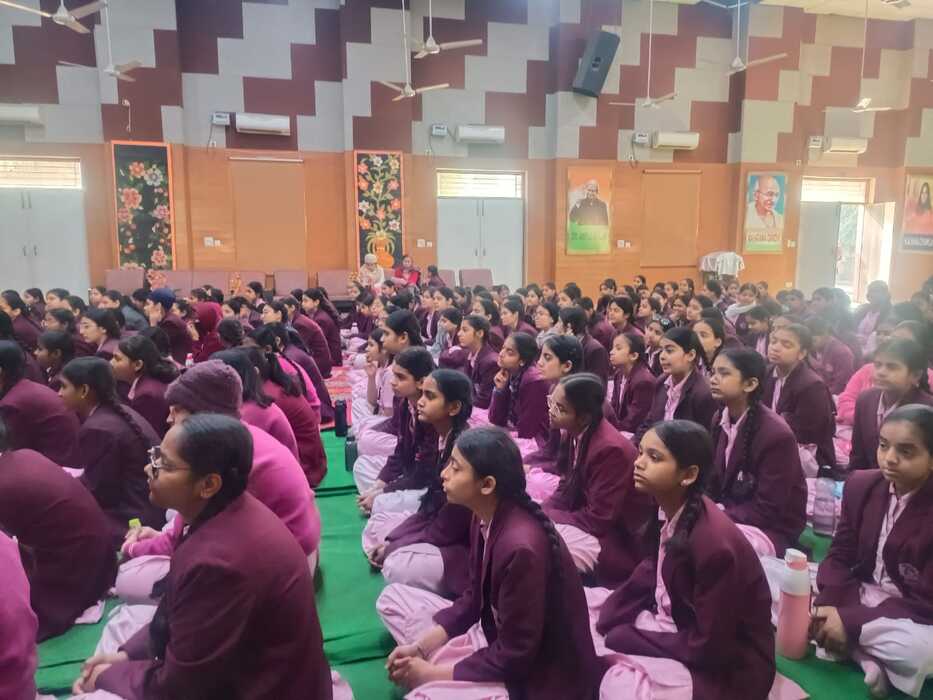
4. Emotional Support and Skill Development
Children need more than just books and food — they need love, motivation, and purpose.
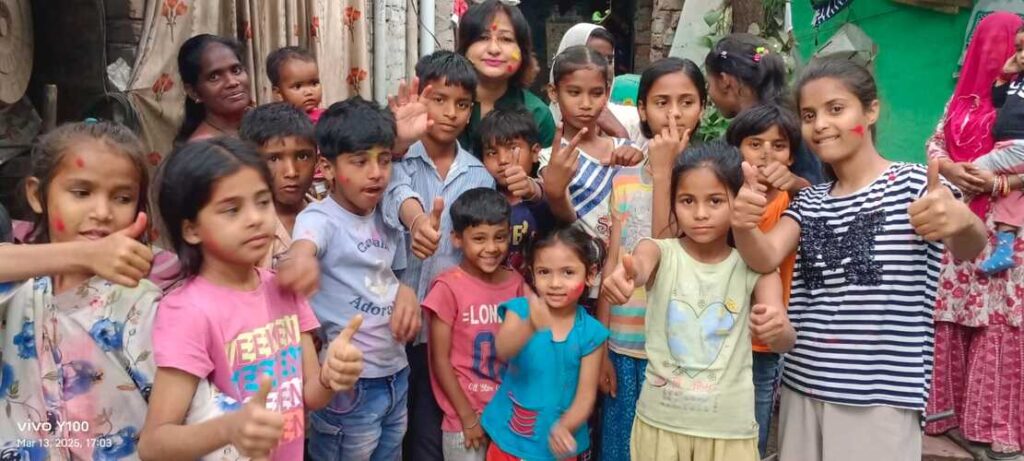
We organize creative workshops (art, dance, music)
Host confidence-building games and events
Offer training in basic life skills, communication, and hygiene